Sep 28, 2026

The new silk road is being built in orbit.
An ongoing collection on how the global supply chain is moving off-world. From inside NASA's Kennedy Space Center to conversations with the companies building orbital warehouses, refueling depots, re-entry capsules, and cislunar trade routes, this series maps the freight lanes, manufacturing, and infrastructure forming above our heads, and what it means for the supply chains we run on Earth.
Featured episode · September 28, 2026
The New Supply Chain in SpaceBehind the Series
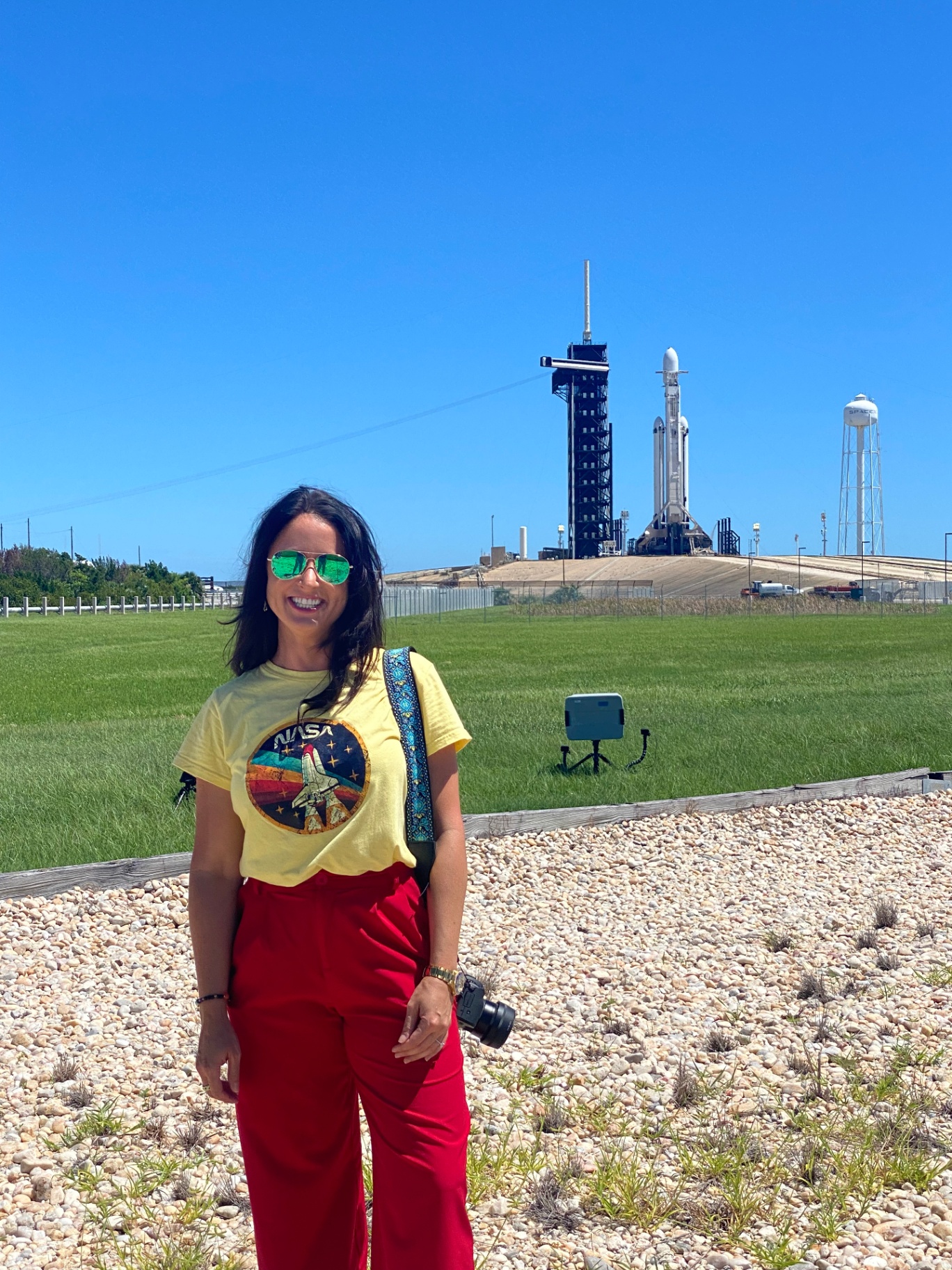
We spent four days inside Kennedy Space Center as part of NASA Social, embedded with the engineers and mission planners laying the first miles of an orbital silk road. From building weather satellites to growing food for a nine-month Mars transit, every storyline came back to one thing: the freight backbone keeping America's space cadence on schedule.
Four days at Kennedy turned into four distinct storylines, each with a dedicated episode you can watch below.
Story 01
What it actually takes to manufacture, transport, and launch a satellite, from clean room to launch pad.
"Before 2020, there were about 2,500 satellites in space. From 2020 to 2024 we added another 8,000. The next 10 years projects out to 200,000."
Blythe (Brumleve) Milligan
"Kennedy has 22 active launch pads, not the one or two I always assumed. Cape Canaveral now sees roughly three launches a week, sometimes more."
Blythe (Brumleve) Milligan
Story 02
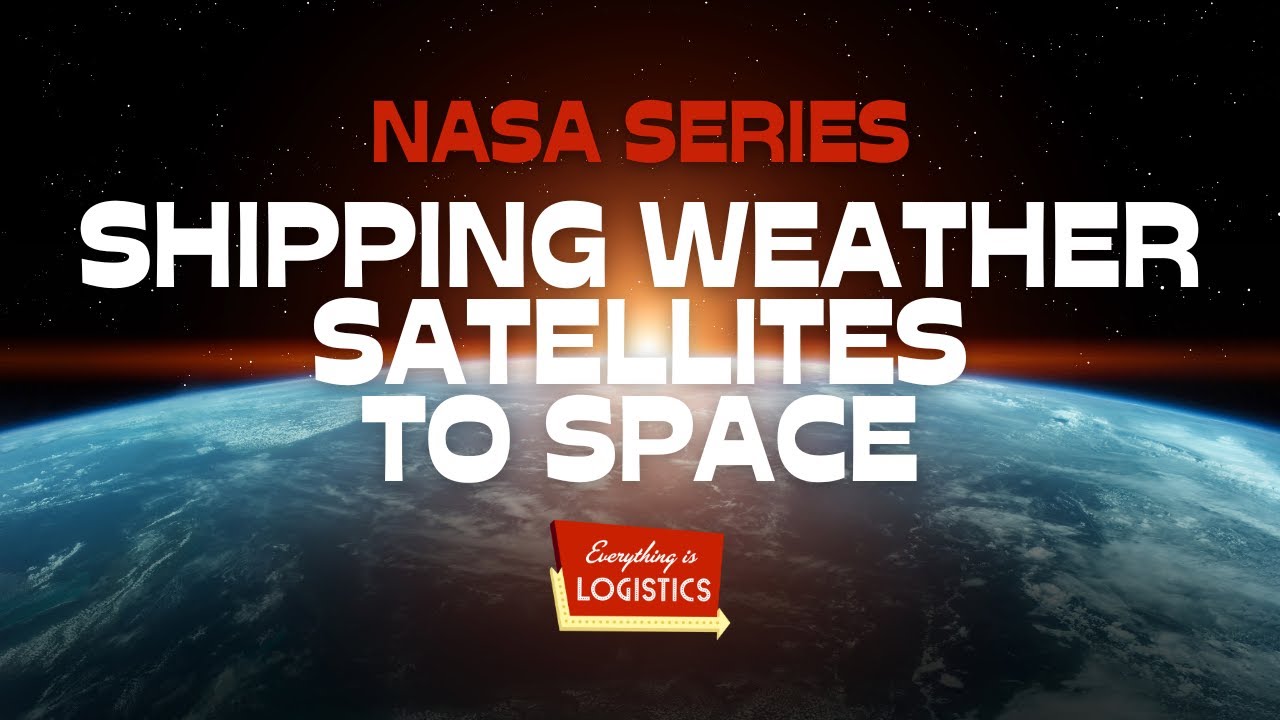
GOES-U is the satellite that watches the storms that shut down ports, airports, and trucking lanes. Inside the supply chain that builds them, and ships them to orbit.
"GOES-U is the size of a small school bus and weighs over 6,000 pounds. NOAA shipped it from Colorado to Florida inside a high-tech container that doubles as a mobile clean room."
Episode recap
"Weather satellites underpin every supply chain on Earth, the storms that shut down ports, airports, and trucking lanes are the ones GOES-U is built to see first."
Editor's note
Story 03
Feeding astronauts on long-duration missions is a logistics problem. NASA is solving it in grow rooms on Earth first.
"Astronauts lose weight in orbit and run into 'menu fatigue' on a packaged diet. Fresh crops aren't a luxury, they're a psychological supply line."
Matthew Mickens, NASA
"NASA was vertical farming before vertical farming existed, the Biomass Production Chamber ran at Kennedy from 1987 to 2000, growing potatoes hydroponically a decade before The Martian made it famous."
Matthew Mickens, NASA
Story 04
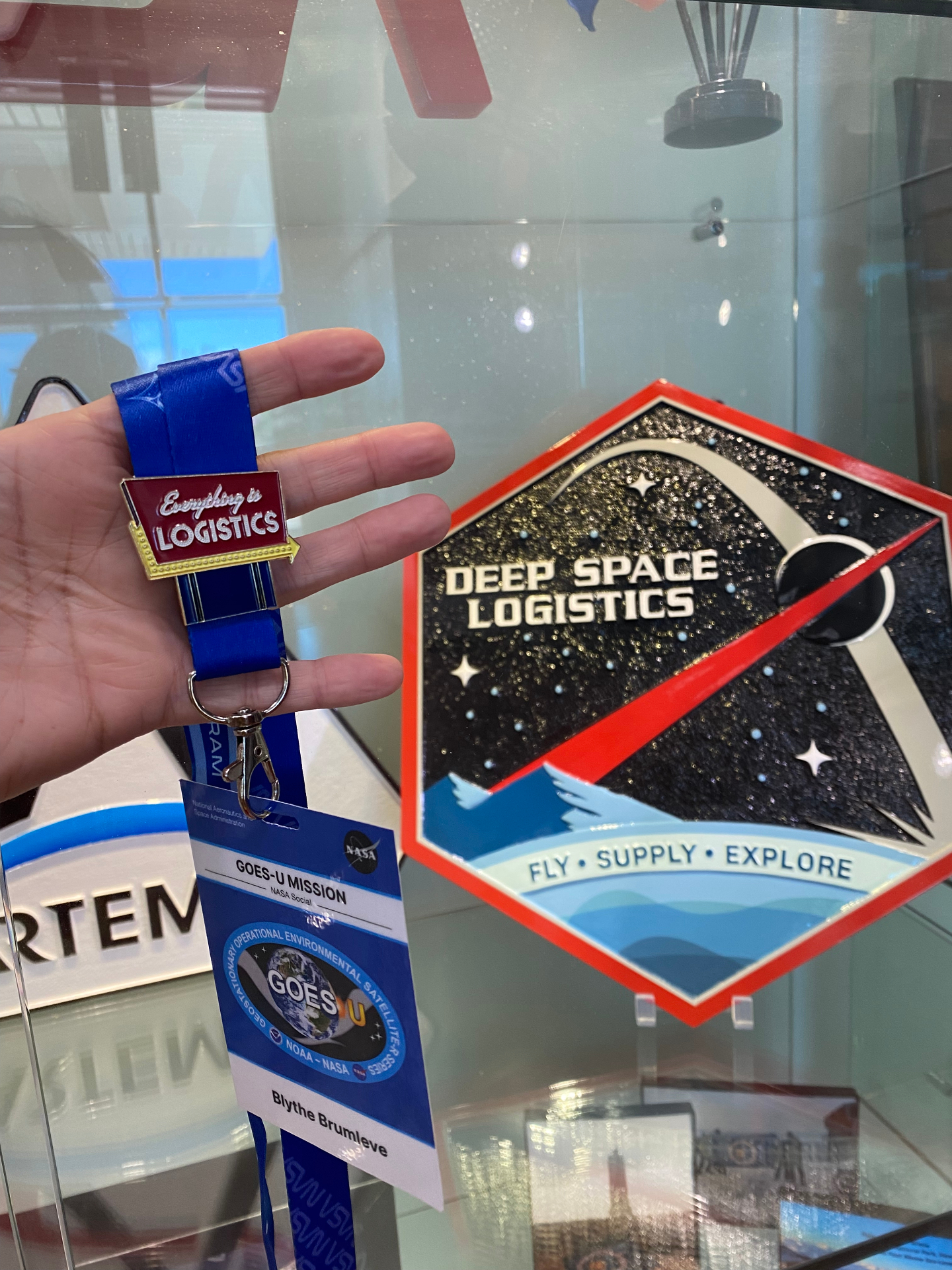
NASA's Deep Space Logistics program (Fly. Supply. Explore.) is the freight backbone for a sustained presence beyond Earth.
"Artemis is Apollo 2.0, not just a return to the Moon, but a base on the Moon, used as a relay point for Mars. Like a layover, on the way to another planet."
Episode recap
"The Orion spacecraft is a joint build, Lockheed Martin in the US, the European Space Agency overseas. Lockheed had to engineer an adapter for the two halves to talk to each other, the way you need a converter plug to use US electronics in Europe."
Episode recap
Before we have a base on the Moon, we need the freight lanes that get us there. These remote interviews go inside the new silk road forming in cislunar space: re-entry capsules from Inversion, in-space refueling from CisLunar, and the $570B economy the Space Foundation is tracking.
12 episodes: 10 long-form videos and 2 audio compilations, newest first.
Audio compilation · Dec 23, 2025
A compilation of the Cislunar Industries and Space Foundation conversations.
Listen

Audio compilation · Jan 7, 2025
Deep space supply chains, growing food in space and Inversion’s orbital warehouses.
Listen


Blythe is the host of Everything is Logistics, where she translates complex supply chain stories into conversations anyone can follow.
"Space isn't science fiction anymore. It's a freight lane. I made this series so logistics folks can get up to speed without a physics degree."
← Back to all of Everything is LogisticsOne email every Thursday morning: a note from Blythe, then the best of the week's episodes.